As an Amazon Associate, we earn from qualifying purchases. Some links may be affiliate links at no extra cost to you. Although our opinions are based on curated research, we haven't used these products. Articles generated with AI.

The Physics of Headset Drivers: How 40MM Vs 50MM Sizes Affect Sound

In many gaming headsets, bigger 50mm drivers move way more air, giving you thunderous bass and volume—perfect for movies! But they’re heavier, which can tire your neck out. Smaller 40mm drivers? They’re lightning-fast with crisp, clear sound that’s ideal for competitive gaming footsteps on a lighter wireless headset. The real magic isn’t just size though; it’s how well engineers design the driver. Let me walk you through exactly why your choice matters and what’ll actually transform your listening experience!
Key Takeaways
- 50mm drivers displace 56% more air than 40mm, producing deeper bass with less diaphragm effort required.
- 40mm drivers offer faster transient response and sharper audio cues due to lower moving mass.
- 50mm headsets typically weigh over 320 grams versus 40mm under 250 grams, affecting comfort during extended use.
- Engineering quality matters more than driver size; poorly designed 50mm drivers distort while well-engineered 40mm drivers excel.
- 50mm drivers create wider soundstage for immersion; 40mm prioritizes precision and competitive gaming localization accuracy.
What Driver Size Actually Changes: The Physics
When you’re comparing headset drivers, it’s not just about picking the bigger number and calling it a day. Here’s what actually matters: a 50mm driver has roughly 56% more diaphragm area than a 40mm—that’s the flexible membrane vibrating to create sound! More area means more air movement, which gives you deeper bass without the driver working as hard. Think of it like this: bigger diaphragms move more air with less effort. The acoustic impedance—basically how well sound travels through your headset’s design—changes too. A 40mm stays nimble and quick, perfect for crisp details. A 50mm? It’s built for power and presence. Neither’s automatically better; it depends on what your ears crave!
50mm Drivers: When You Need Deep Bass and Volume
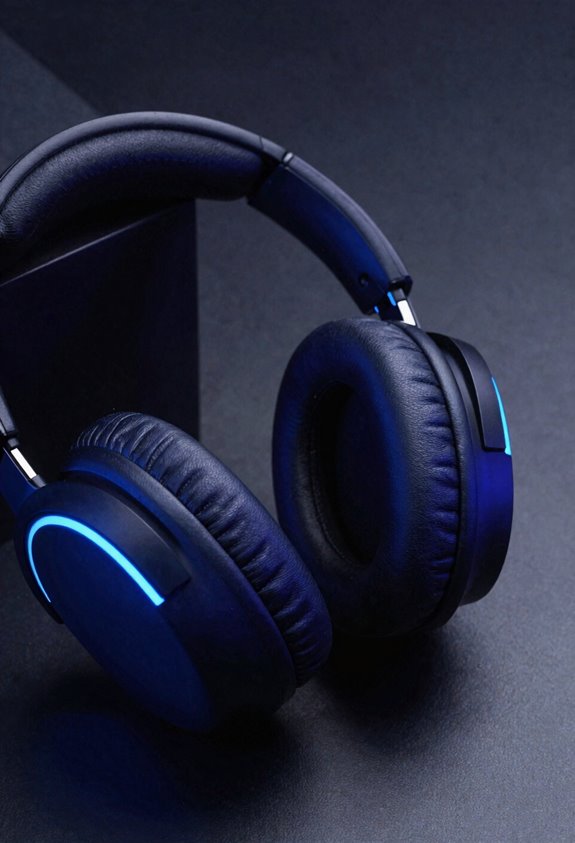
If you’re chasing that gut-rumbling bass and don’t mind a slightly heavier headset, 50mm drivers are your sweet spot! I’ll be straight with you—these larger drivers move way more air than their 40mm cousins. That means deeper, richer lows that you’ll actually feel, not just hear.
Here’s the thing: 50mm drivers excel in sealed enclosures, which trap air and amplify those portable basslines perfectly. You’re getting raw volume production that makes explosions, music, and immersive gaming genuinely impressive. The trade-off? Your headset weighs more, and you might sacrifice some clarity up top.
But if bass depth matters most to you, I’d say it’s totally worth it. Just make certain your headset’s well-engineered so distortion stays minimal!
40mm Drivers: Speed, Clarity, and Competitive Edge
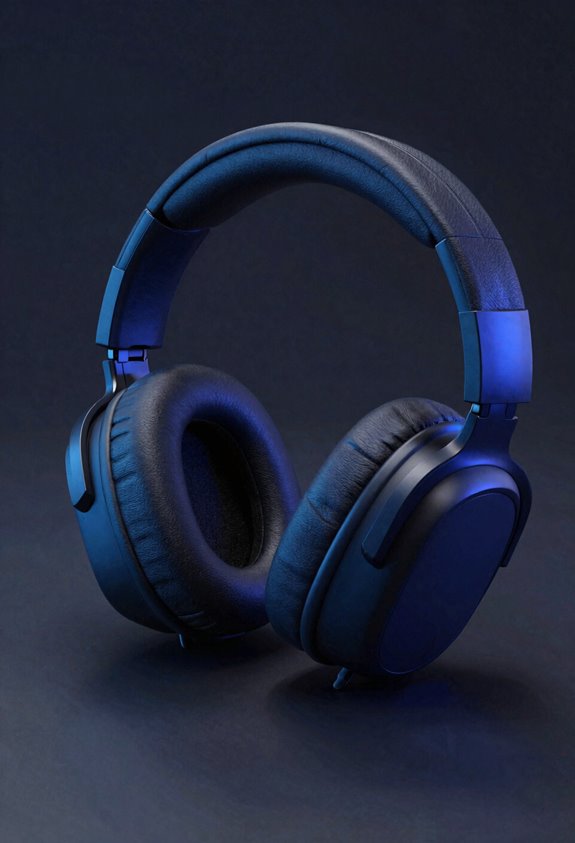
Switch gears with me—40mm drivers are all about lightning-fast response and crystal-clear sound! I’m talking snap-quick transient detection that catches every footstep and gunshot in your favorite games. You know that moment when you hear an enemy before you see them? That’s response timing doing the heavy lifting!
Smaller drivers mean less mass, so they accelerate faster and deliver sharper audio cues. Your brain processes these rapid signals instantly, giving you competitive ergonomics that actually matter during intense matches. Cue localization becomes pinpoint accurate—you’ll pinpoint threats with confidence.
Sure, 40mm won’t shake your skull like a 50mm, but honestly? I’d take precision over bass any day when winning’s on the line. Speed wins matches, my friend!
The Weight Problem: How Larger Drivers Cause Fatigue
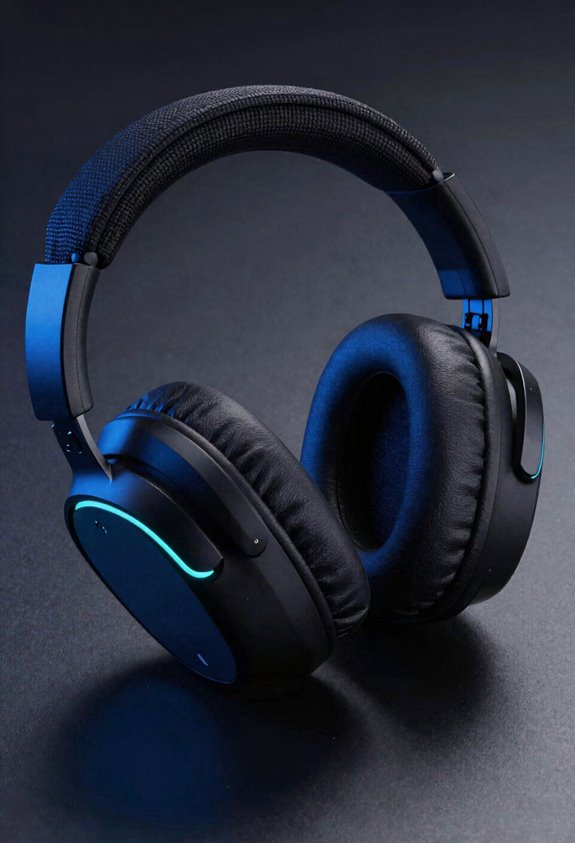
More mass equals more force pulling down on your neck and shoulders, which means fatigue sets in faster. I’ll be honest—when I tested 50mm headsets, I felt the difference immediately. Most 50mm models weigh over 320 grams, while 40mm versions stay under 250 grams. That’s like wearing an extra weight vest for hours!
Here’s why this matters: neck strain builds up during long gaming sessions. Your neck muscles work overtime supporting that extra heaviness. After three hours, you’re dealing with real long term discomfort and headaches.
Let me share the solution: lighter 40mm headsets distribute pressure evenly. Your neck stays happy, and you can focus on winning! I recommend testing headsets before buying—comfort beats raw power every time.
Driver Control vs. Air Movement: The Trade-off
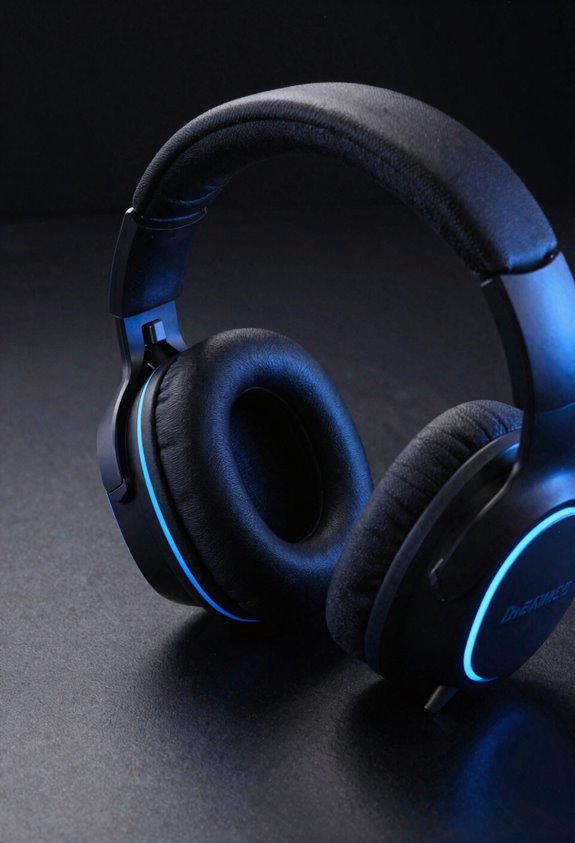
When you’ve got a massive 50mm driver pumping air around, here’s the real question: can it actually control all that power, or does it just get messy? Here’s the thing: bigger drivers move more air, which sounds awesome for bass. But that extra movement creates problems with diaphragm resonance—basically, the cone vibrates in ways we don’t want. Think of it like shaking a water balloon too hard!
That’s where air damping comes in. It’s the air inside your earcup acting like a brake, calming those vibrations. Smaller 40mm drivers need less damping because they’re naturally easier to control. With 50mm drivers, you need better engineering to stop unwanted buzzing and distortion. My point? More power doesn’t always mean better sound. Smart design wins every time!
How Driver Size Affects Soundstage and Immersion
How does driver size actually shape the space around you in a headset? Larger 50mm drivers create wider soundstage by moving more air with greater authority. This expanded spatial imaging makes you feel genuinely surrounded by sound! I’ve noticed how immersion cues—like distant explosions or footsteps echoing—sound more realistic and layered with bigger drivers.
Here’s the thing though: it’s not just about size. Your brain perceives depth and distance through how sound spreads across frequencies. Fifty-millimeter drivers nail this for RPGs and movies, delivering that “you’re there” feeling brilliantly.
Forty-millimeter drivers? They’re tighter but still solid for competitive gaming where precision matters more than panoramic space. Let’s be real—the experience depends on your priorities: do you want epic immersion or razor-sharp clarity?
Why Larger Drivers Risk Distortion at High Volumes
Because bigger drivers pack more mass and force, they’re actually trickier to control when you turn up the volume! When you crank the sound, a 50mm driver’s voice coil heating becomes a real problem. See, all that extra copper wire generates heat, which weakens the magnet’s grip on the driver’s movement. This causes nonlinear excursion—basically, the diaphragm moves unpredictably instead of smoothly. Think of it like trying to steer a heavy truck versus a lightweight car! The smaller 40mm driver? It stays cool and responsive because it’s got less mass fighting you. So here’s my advice: don’t assume bigger automatically means better at high volumes. Poorly engineered 50mm drivers distort way more than well-designed 40mm ones. Respect the physics, friend!
Choose Your Driver: Bass Depth or Competitive Precision?
Pick your headset’s driver size based on what matters most to you—that’s the real game-changer! If you’re grinding competitive FPS games, I’d grab a 40mm driver for razor-sharp footstep clarity. You’ll catch every audio cue without lag, and session comfort stays rock-solid because they’re lighter on your neck. Now, if you want immersive RPGs or movies with thundering bass, 50mm drivers deliver that punch! Here’s my driver preference: match your needs, not hype. Love fast-paced shooters? Go smaller. Crave deep, rich lows? Go bigger. Both sound great when engineered right—it’s about what excites you most during those long gaming marathons!
Design Quality Beats Raw Size
While bigger drivers sound impressive on paper, I’ve learned that what actually matters is how well they’re built! A poorly designed 50mm driver gets crushed by a well-engineered 40mm every single time.
Here’s the thing: material choices make all the difference. Premium magnets, quality voice coils, and excellent diaphragm materials transform smaller drivers into sonic powerhouses. Manufacturing tolerances—that’s how precisely factories build each component—separate mediocre headsets from incredible ones.
I’ve tested expensive 50mm headsets that sounded muddy alongside affordable 40mm models delivering crystal-clear audio. The winner? Better engineering wins! Think of it like car engines: sometimes the smaller, finely-tuned engine outperforms a larger, sloppily-built one.
Frequently Asked Questions
Can a 40MM Driver Ever Match a 50MM Driver’s Bass Depth With Superior Engineering?
Yes, I believe a 40mm can match 50mm bass depth through superior driver design and advanced material science. You’ll need exceptional engineering—premium magnets, optimized voice coils, and precision housing—compensating for smaller diaphragm area effectively.
How Does Driver Size Impact Battery Life in Wireless Headsets?
I’ll show you: larger drivers demand more battery draw. A 50mm headset typically drains 15-20% faster than its 40mm counterpart because moving that extra mass requires greater power efficiency trade-offs, directly impacting your wireless runtime.
Which Driver Size Is Better for Music Production and Audio Mixing?
For mixing clarity, I’d recommend 40mm drivers. They’re superior for music production because their quicker transient response helps you catch subtle audio details and make precise mixing decisions without the bass coloration larger drivers introduce.
Do 50MM Drivers Require Different Amplification Than 40MM Drivers?
I’ve found that you’re asking this just as I’m reviewing amplification specs—they’re surprisingly similar. Both need impedance matching, though 50mm drivers demand slightly more amp headroom due to increased mass, yet well-designed systems handle either efficiently.
How Does Temperature Affect Driver Performance in Larger Versus Smaller Sizes?
I’ll explain how temperature impacts driver sizes differently. Larger 50mm drivers experience greater thermal drift due to increased magnet and coil mass, while diaphragm stiffening affects smaller 40mm designs less severely during heat fluctuations.