As an Amazon Associate, we earn from qualifying purchases. Some links may be affiliate links at no extra cost to you. Although our opinions are based on curated research, we haven't used these products. Articles generated with AI.


What Is Haptic Feedback in Controllers and How Piezo Actuators Work

I’ll tell you what makes haptic feedback so cool! It’s basically tiny motors in your controller that create touch sensations matching what’s happening in-game. Piezo actuators are the premium option—they use electrical pulses to vibrate super precisely and quietly, giving you sharper feedback than regular rumble motors. Think of them as the difference between feeling a sledgehammer versus a surgeon’s fingertip! They’re compact, efficient, and deliver sensations exactly where you need them. Stick around to discover which actuator type fits your gaming style best!
Key Takeaways
- Haptic feedback uses tiny motors in controllers to generate vibrations that simulate real-world sensations like impacts and collisions during gameplay.
- Piezo actuators convert electrical energy into mechanical vibrations through the piezoelectric effect, operating more quietly than traditional ERM and LRA motors.
- Piezo actuators deliver localized, precise feedback with reduced latency, enabling near-instantaneous tactile responses exactly where intended on devices.
- Piezo technology requires higher voltages than ERM and LRA actuators but offers superior fidelity and efficiency in compact form factors.
- Piezo actuators excel in premium devices and wearables where compact size, quiet operation, and detailed tactile sensations are prioritized over cost.
Understanding Haptic Feedback: Why Controllers Use Touch
When you’re gripping your gaming controller and feel it buzz during an explosion, that’s haptic feedback doing its job! I’m talking about touch sensations that make gaming feel real. Your human perception picks up these vibrations instantly, creating tactile learning that your brain connects to in-game events.
Here’s the thing: controllers vibrate to simulate real-world sensations like impacts or collisions. Let’s break it down—when something happens on screen, tiny motors inside your controller shake in specific patterns. This touch feedback tricks your senses into believing you’re actually experiencing the game’s action.
I find it amazing how these vibrations enhance immersion! Your sense of touch becomes another storytelling tool. Instead of just seeing explosions, you feel them. That’s why haptic feedback transforms gaming from a visual-only experience into something genuinely engrossing and memorable.
ERM vs. LRA: How Haptic Actuators Create Different Vibrations

Since your controller’s buzz feels different depending on which game you’re playing, let me show you why!
ERM actuators spin an unbalanced weight fast, creating strong rumbles you feel everywhere. Think of it like a tiny spinning top shaking your whole controller! LRA actuators work differently—they move a magnetic mass back and forth using coils, kind of like a speaker inside your device.
Here’s the cool part: LRA uses resonance tuning, meaning it vibrates at specific frequencies for precise sensations. This reduces motor inertia, so responses feel snappier and more realistic. ERMs take longer to start and stop because that spinning weight has more momentum.
Want sharper feedback? LRA’s your winner. Prefer powerful rumbles? ERMs deliver!
Recommended Products


Need to be learned/updated. Compulsory match old with new part (especially OE number.)

Compatible GM Models: This HVAC blend door actuator compatible with 2013 2014 2015 2016 2017 Chevy Equinox; Compatible with 2013 2014 2015 2016 2017 GMC Terrain. Positions: Main - Air Inlet; Mode; Temperature
Piezo Actuators: Quieter, More Precise

Let me introduce you to a totally different haptic player: the piezo actuator! Unlike ERM or LRA motors, these use the piezoelectric effect—converting electrical energy directly into mechanical vibrations. Think of it as silent precision in action! Piezo actuators operate quietly, making them perfect for situations where noise matters. They’re also smaller and more efficient than traditional motors. What’s really cool? They deliver localized nuance, meaning you feel exactly where the vibration happens. This makes them ideal for multitouch interfaces and gaming experiences. You’ll find them in modern controllers and wearables, offering defined feedback that feels incredibly realistic. The tradeoff? They require higher voltages. Still, their accuracy and compact size make them totally worth it!
Recommended Products

【Wide Compatibility】 Works with Atwood, Wedgewood, Dometic, Suburban, Magic Chef, and Garystone RV stoves (3 or 4 burners). Fits 17-22 inch wide ranges.

1. Based on piezoelectric ceramic chip analog vibration makes use of the anti-transformation process of piezoelectric ceramic making the electric signals vibrate.

<b>Price For:</b> Each <b> Transducer Function:</b> Alarm <b> Tones:</b> Continuous <b> Supply Voltage Min:</b> 3V <b> Supply Voltage Max:</b> 24V <b> Operating Current Max:</b> 10mA <b> Sound Level SPL:</b> 95dB <b> Resonant Frequency:</b> 3.5kHz <b> External Diameter:</b> 28mm <b>RoHS Compliant:</b> Yes
Why Piezo Technology Delivers Sharper, Quieter Feedback

Now that you’ve got the basics down, here’s where piezo actuators really shine! I’m genuinely excited to break this down for you.
Piezo actuators deliver higher fidelity feedback—meaning you feel more precise, detailed sensations. Unlike older vibration motors that shake everything, these bad boys create super-targeted vibrations exactly where designers want them. You’ll notice the difference immediately!
Here’s the magic part: reduced latency. Piezo tech responds almost instantly to your actions. Press a button, and boom—you feel it right away with no delay. That’s genuinely game-changing for immersion.
Plus, they’re quieter than traditional motors. No annoying buzzing sounds interrupting your gameplay. The vibrations feel more refined and intentional, almost like the controller’s communicating with your fingertips in a sophisticated language you didn’t know you were missing!
When to Use Each Haptic Actuator Type

Choosing the right actuator type depends on what you’re trying to accomplish with your device. Let me break it down for you!
If you want strong rumble in gaming controllers, ERMs deliver powerful vibrations affordably. They’re your go-to choice for action-packed experiences! Need something quieter and more realistic? LRAs are my recommendation—they create precise sensations without annoying buzz.
For wearable integration like smartwatches or fitness bands, piezo actuators shine! They’re compact, energy efficient, and pack serious feedback into tiny spaces. Plus, they run quietly so you won’t disturb others.
Voice coils work great when you need high-performance, detailed feedback across multiple sensations. Pick your actuator based on your priorities: power, precision, size, or noise level. You’ve got this!
Recommended Products
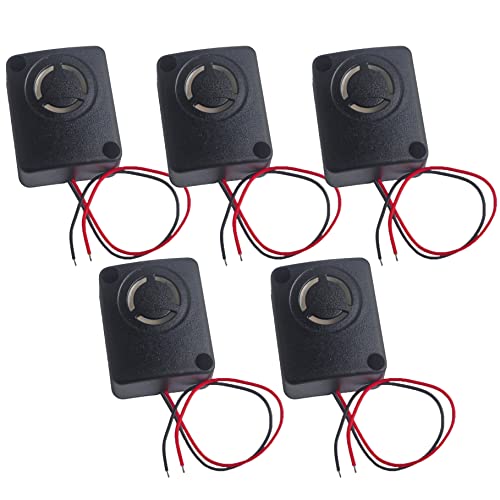
You will get 5pcs Mini Piezo Alarm
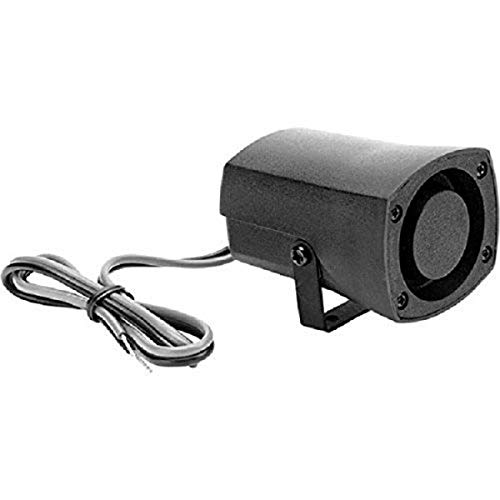
Mini Piezo Siren

Package includes: 5pcs black active piezo electronic alarm buzzer
Which Actuator Fits Your Needs?
You’ve got the basics down, so let’s figure out which actuator actually works best for you! Here’s the deal: if you’re building something cheap and need solid battery life, ERM actuators are your friend. They’re simple, affordable, and won’t drain your power fast. Want more realism without breaking the bank? LRA actuators deliver better sensations and still keep manufacturing cost reasonable. Now, if you’re designing premium gear and love precision, piezo actuators shine! They’re quieter and super accurate, though they’ll cost more upfront. Think about your budget, what feelings you’re trying to create, and how long your device needs to run. Match the actuator to your goals, and you’ll nail it!
Recommended Products

【Precise Timing Control】Achieve optimal performance with our automatic forward and reverse motor controller, allowing you to set precise forward and reverse timings for your motorized equipment.

【Wide Compatibility】This DC motor controller features a wide input voltage of 8-35V. Please Note: It is designed for general purpose applications such as industrial automation, solar tracker systems, electric doors/windows, and smart furniture (e.g., electric TV lifts, adjustable desks).

🕹️Design for 12V DC motor, like linear actuators, 12V 5A power supply is suggested.
Frequently Asked Questions
Can Haptic Feedback Work in VR Environments Beyond Just Controllers and Handheld Devices?
Absolutely. I’m showing you that haptic feedback extends far beyond controllers through wearable surfaces like VR vests with multiple actuators. You’ll experience spatialized haptics that localize sensations across your entire body for immersive environments.
How Do Electrotactile and Ultrasound Haptic Technologies Compare to Traditional Vibration Motors?
I’d wager that electrotactile feedback and ultrasound surpass vibration motors through precise nerve stimulation and ultrasound spatialization, though electrotactile safety concerns require careful calibration for comfortable, accurate tactile sensations.
What Voltage Requirements Differentiate Piezo Actuators From ERM and LRA Actuators?
I’ll tell you that piezo actuators require higher voltages than ERM and LRA actuators, which demand low voltage for driving. This high voltage requirement affects compatibility with standard microcontroller-based gaming systems.
How Do Thermal Feedback Actuators Simulate Temperature Sensations in Gaming Experiences?
I’ll explain how thermal feedback actuators create temperature sensations. They use heat-transferring actuators combined with microfluidics cooling to generate thermal illusion, tricking your skin into perceiving temperature changes during gaming.
Can Multiple Haptic Actuators in VR Vests Create Localized Sensations Simultaneously?
Yes, I’ll paint you a vivid picture: multiple actuators in VR vests create localized patterns through synchronized timing, allowing distinct sensations across your body simultaneously. You’ll feel raindrops hitting different spots at once.